Leading the Net Zero Transition

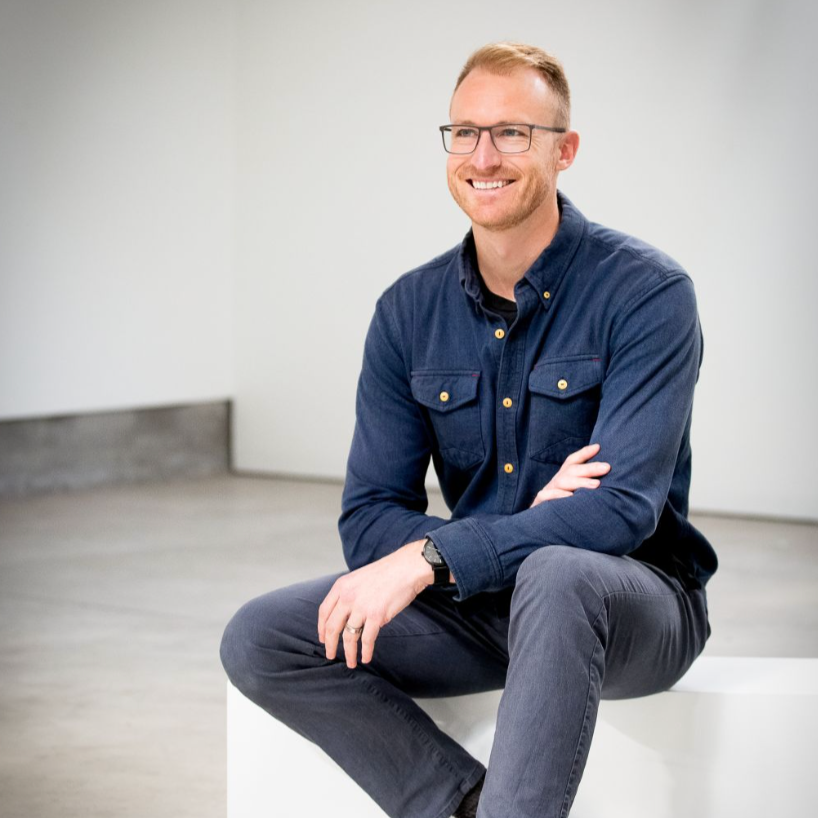
Mark Horsley, Chief Executive Officer of Northern Gas Networks, returns to share how his organisation is tackling one of the most pressing challenges of our time: building a secure, sustainable, and fair energy future. Serving 6.8 million people across Northern England, NGN has become a leader in the UK’s net-zero transition under Mark’s guidance.

Since our last conversation in 2021, Mark has pushed bold initiatives forward—from investing £25 million in a hydrogen development fund with JCB, to projects like East Coast Hydrogen, part of a wider industry collaboration to secure the UK’s energy resilience.

In this episode, Mark shares why hydrogen remains central to industrial energy, how electrification is reshaping government priorities, and why pragmatism is essential to balancing decarbonisation with affordability. Beyond infrastructure, Mark highlights NGN’s citizen-led accountability model, new consultation panels to engage young people, and training their teams not just in technical skills but also in social listening to better serve vulnerable households.

At the heart of his leadership is a question that continues to drive NGN’s purpose: Can we do more than simply operate a network? For Mark, the answer lies in putting people first—customers, communities, and colleagues—and building an energy system that supports them all.

Supported By Norman Broadbent: https://www.normanbroadbent.com/

Mark Horsley
Redefining Mobility for a Sustainable Future

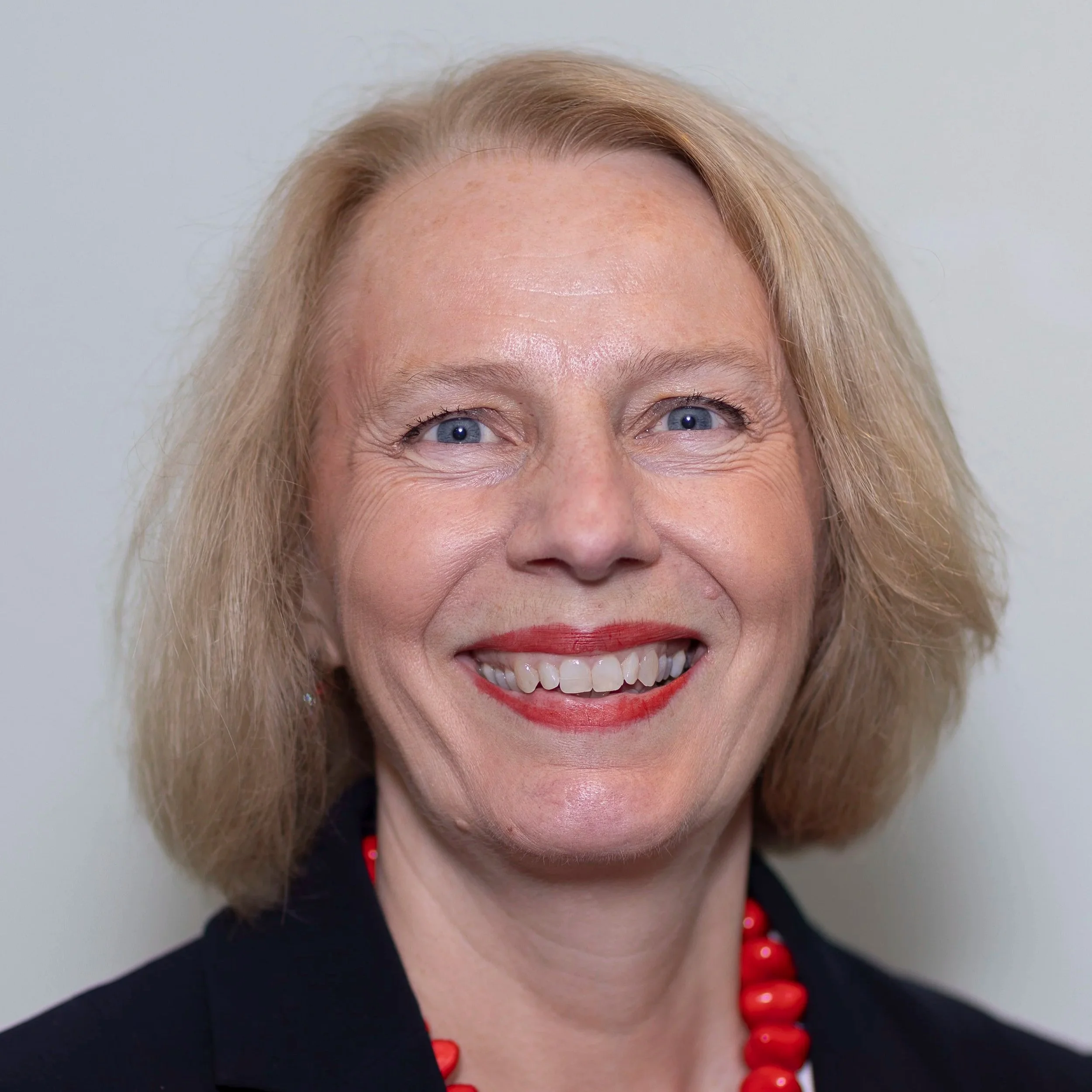
How do you lead a professional body that shapes the systems we all rely on—but rarely notice until they break? Sue Percy, Chief Executive of the Chartered Institution of Highways and Transportation (CIHT), returns to The Purposeful Strategist to share how she’s steering the transport sector through transformation—with equity, sustainability, and professional ethics at its core.

Transport networks quietly underpin daily life, yet their moral and strategic choices often go unseen by the public. Precisely because others aren’t paying enough attention, it falls to professionals to lead with foresight—embedding values into decisions that shape how infrastructure is planned, designed, and delivered. Sue reflects on how CIHT is making once-optional aims like EDI and Net Zero into non-negotiable pillars, while holding government accountable and preparing a diverse, future-ready workforce.

Throughout, she makes a compelling case for leadership rooted not just in technical excellence, but in purpose, soft influence, and the courage to say no when initiatives don’t serve the bigger picture.

Supported by Norman Broadbent: https://www.normanbroadbent.com/

Sue Percy

Rethinking AI in Law

What does it take to lead AI strategy in a sector where precision, trust, and human judgement are paramount? Rosie Djurovic, Head of AI at Brabners, is working to answer that question—while ensuring innovation strengthens both client outcomes and the capabilities of the firm.

Since joining Brabners in 2024, Rosie has been driving an ambitious approach that makes becoming an AI enabled law firm one of the firm’s three strategic pillars—alongside being brand-led and client-centred.

Her work starts with first principles thinking: understanding the real problems lawyers and clients face, and ensuring solutions fit within the firm’s broader goals. Sometimes those solutions involve AI, sometimes they don’t—but when they do, she ensures they are introduced at the right time, in the right way, and with the right safeguards.

In this episode, Rosie shares how Brabners is scaling up workforce skills, enhancing evaluation frameworks for AI tools, and exploring possibilities such as generative AI in client portals to improve transparency and service. She also reflects on how innovation can emerge both from within the firm and in response to client expectations.

From resisting AI for AI’s sake to imagining its long-term, transformational potential, Rosie’s leadership is about more than adopting new technology—it’s about redefining what AI can achieve in a people-focused profession.

Supported by Norman Broadbent: https://www.normanbroadbent.com/

Rosie Djurovic

Rethinking Procurement

What does it take to lead the largest professional body for procurement and supply in an era when global supply chains are under unprecedented scrutiny? Ben Farrell MBE, Global Chief Executive of the Chartered Institute of Procurement & Supply (CIPS), is on a mission to answer that question—while elevating the profession’s role in shaping a more resilient, ethical, and sustainable future.

With over 70,000 members in 160 countries and 97 branches worldwide, CIPS is at the centre of some of the most pressing issues of our time—from the weaponisation of supply chains to rapidly shifting trade relationships. For Ben, procurement and supply are not niche concerns; they are essential to sustainability, national economies, and the smooth functioning of societies.

In this episode, Ben discusses the importance of long-term thinking in a world still too focused on short-term gains, and how asking good questions can align current activities with the future we want to create. He shares how CIPS is working to help countries thrive, raise professional standards, and bring procurement capacity to the next level worldwide. From building a “shared consciousness” across a vast and diverse membership to showing the next generation the meaningful careers this industry can offer, Ben’s leadership is about more than just managing an organisation—it’s about redefining what procurement and supply can achieve.

Supported by Norman Broadbent: https://www.normanbroadbent.com/

Ben Farrell

Empowering Exchange at Britain’s Busiest Port

How do you lead a complex operational hub that is both a national asset and a local neighbour? Doug Bannister, CEO of the Port of Dover, shares how a clear purpose, long-term vision, and relentless execution are helping Europe’s busiest ferry port deliver for trade, travel, and tourism—while building a greener and more connected future. At Dover, he leads an organisation that facilitates £144 billion of trade annually, handles around one-third of UK-EU commerce, and keeps ships, vehicles, and people moving with industry-leading efficiency.

In this episode, Doug discusses the Port’s evolving strategy and its purpose of ‘Empower Exchange,’ the importance of looking beyond short-term metrics to make bold, ecosystem-wide decisions, and why trust and transparency are essential in an organisation that operates in full public view. He also explores how the Port is delivering on its ambitious Sustainability Agenda 2025—including its goal to become the UK’s first high-volume green shipping corridor—and balancing commercial growth with minimising impact on local communities.

Reflecting on his own approach, Doug shares why building trust, acting proactively, and maintaining high standards for safety, security, and sustainability have been crucial to navigating a period of major transformation.

Supported by Norman Broadbent

https://www.normanbroadbent.com/

Doug Bannister

Swimming Upstream: Redefining How Leaders Are Found

What happens when you design an executive search firm around purpose, not just process? Kate Grussing CBE, Founder and Managing Director of Sapphire Partners, shares how her team has been reshaping the industry since 2005.

Inspired by the question of what makes a high-performing team — and recognising gaps in a market that wasn’t serving either clients or candidates well — Kate built Sapphire to take a more creative, targeted approach to finding exceptional leaders. Rather than relying on the “usual candidates,” her firm broadened its strategy to identify hard-to-find individuals who could act as magnets for talent, role models, and long-term value creators.

In this episode, Kate discusses why focus matters in client work, the lessons from starting with flexible and project-based roles before broadening scope, and what it’s meant to be a front runner in the sector. She reflects on the lasting shifts COVID-19 brought to flexible working, how boards are becoming more intentional in recruiting necessary skills, and the importance of supporting leaders across their entire career journeys.

Kate Grussing

Designing for a Sector in Crisis

As the Founder and Creative Director of Cosmic, a U.S.-based creative studio working at the intersection of design and social change, Eric Ressler has spent years helping mission-driven organisations communicate with clarity and purpose. In this episode, he unpacks the mounting challenges facing the nonprofit sector—from shrinking federal funding to a digital culture that makes it harder to break through.

The pressures aren’t just affecting the organisations Cosmic supports, they’re reshaping the work itself. As funding dries up and uncertainty grows, Eric and his team are increasingly focused on helping clients cut through the noise, align their core mission, and communicate with conviction.

He brings a sharp perspective on what’s needed next: a shift in how we approach ‘Design Thinking,’ deeper coalition-building to reduce duplication, and a more intentional relationship with technology—one that helps us stay human while driving impact.

Eric Ressler

Rewriting the Rules of Women’s Health Tech

How can digital innovation serve millions of women, without selling their data or betraying their trust? Amber Vodegel, CEO of 28X, shares how she’s building a platform to transform how women engage with their health.

28X is a purpose-driven health tech company launching its first product later this year: a simple, accessible period tracker that does more than its competitors. Guided by three core principles—privacy, inclusivity, and no subscriptions—Amber’s team is creating a new kind of platform: one that educates, protects, and empowers.

In this episode, Amber discusses how to scale with purpose in a space often dominated by extractive models. She explores the ethical, strategic, and technical decisions behind 28X’s development, from refusing traditional VC funding to eliminating cloud-based data storage. She also reflects on the power of storytelling, the importance of external feedback, and the evolving definition of success in a sector that still too often fails its users.

Amber Vodegel

©2015 - 2021. Menkus & Associates is registered in England & Wales under company number 03658410.

52 Bovingdon Road, London, SW6 2AP