Go Far, Go Together: Resilience, Democracy, and the Cooperative Alternative

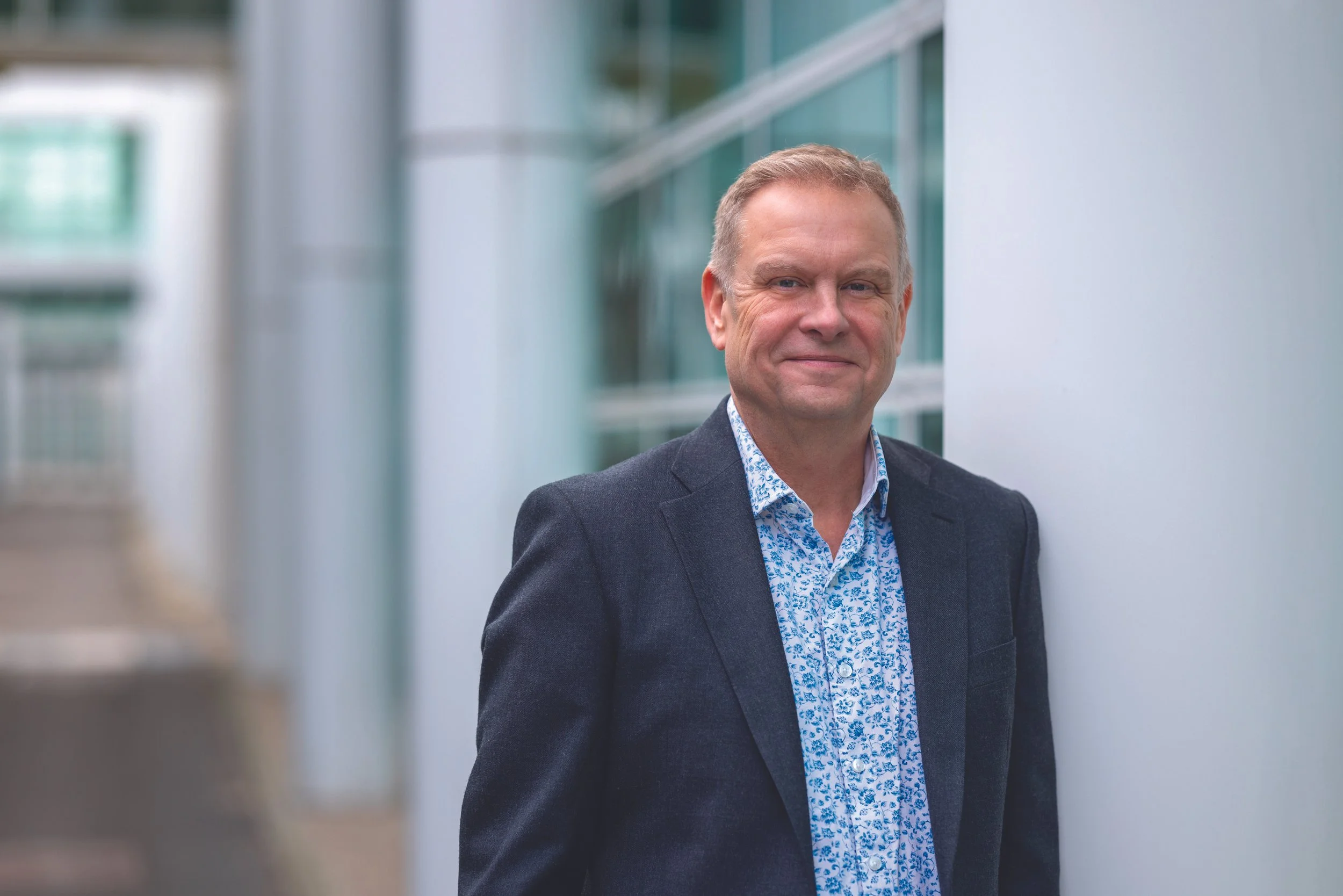
Jeroen Douglas, Director General - International Cooperative Alliance
Belden Menkus

Jeroen Douglas is Director General of the International Cooperative Alliance, the global body that has kept the cooperative movement united since 1895. In this episode, Jeroen describes cooperatives as the largest enduring alternative to shareholder capitalism. He explains how the cooperative model supports hundreds of millions of workers worldwide, and reflects on the challenges of acting as the unifying voice of such a diverse and sprawling movement.

Jeroen describes how their Practice, Promote, Protect strategy came together in a way that reflects the movement's own principles, drawing on passionate expert volunteers rather than big consultancies. That same instinct toward member control runs through one of its boldest commitments: a sovereign cooperative cloud, giving all members an alternative to giving their data to a handful of technology giants.

The conversation then moves from the practical to the philosophical: why cooperatives are expert in resilience rather than speed, how Jeroen sees democracy as the ability to disagree without going to war, and why he believes real purpose is found and held in local communities. Against a backdrop of geopolitical fragmentation, he argues that the cooperative movement has proven its durability over the 20th and 21st centuries, and thus will endure whatever the next era brings.

Listen here and on Apple Podcasts and Spotify, and check out the ICA’s website.

A special thank you to Norman Broadbent’s Nadan Hadzic for the introduction to Jeroen, which made this fascinating conversation possible!

Supported by Norman Broadbent.

Jeroen Douglas

Not Afraid to Have a Go: The Challenger Mindset and the Future of IP

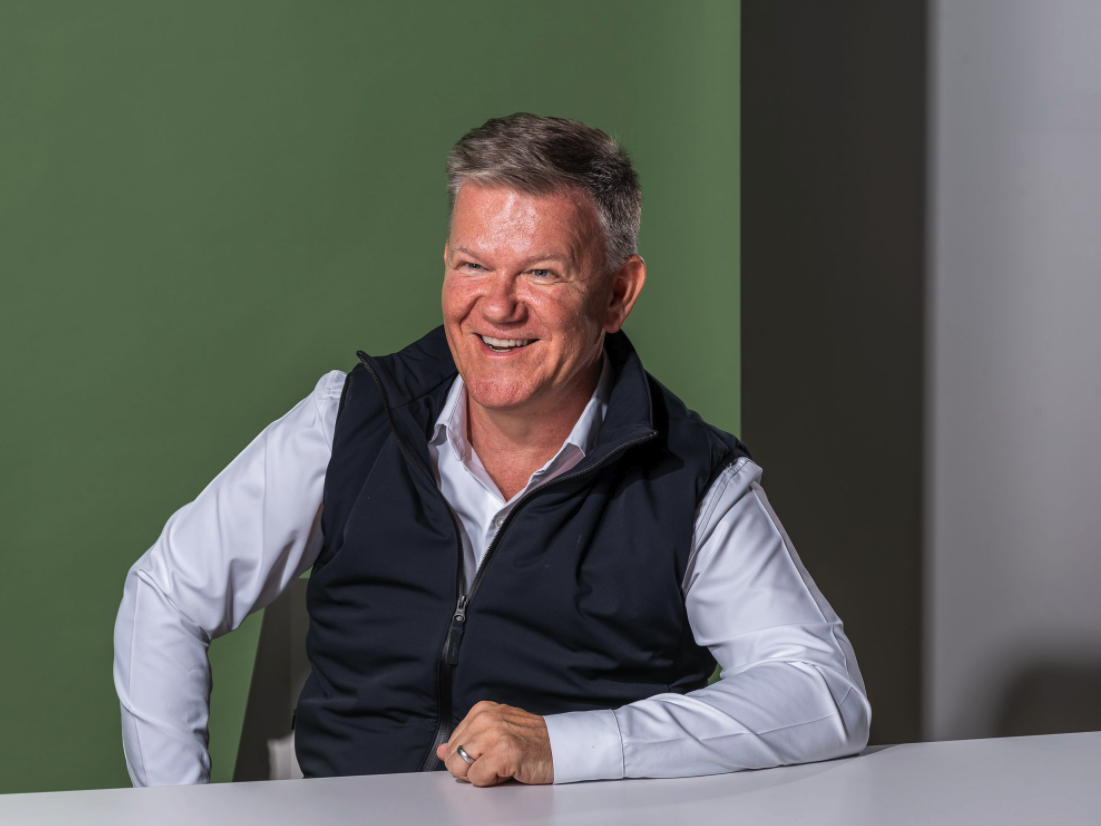
Martyn Fish, Chief Executive and Partner - HGF
Belden Menkus

In this episode we speak with Martyn Fish, Chief Executive and Partner at HGF, one of Europe's largest intellectual property firms. Since its founding 30 years ago, HGF has grown into one of the most highly regarded names in its industry. Martyn has been with the firm for over two decades, and he reflects on how its enduring "challenger" mindset has driven that growth.

Martyn explains his decision to enable their next phase of growth through PE investment from CBPE, a significant pivot away from the traditional partnership model. Martyn is candid about what pushed him towards the change and what makes the relationship work now, arguing that the right investor doesn't write your strategy but holds you to account and frees you to pursue it.

Martyn goes on to discuss the strategies they are pursuing, such as changing how IP services are delivered by broadening the scope of the job. To this end HGF is investing in their employees’ growth through a mini-MBA programme, and utilising AI to free up attorneys’ time for higher-impact work. The through-line is a deliberate push for scale and impact, which Martyn argues is vital in a changing legal market.

Listen here and on Apple Podcasts and Spotify.

Supported by Norman Broadbent.

Martyn Fish

The Standard for Everything: Leadership and Long-Term Impact at the National Physical Laboratory

Peter Thompson, Chief Executive - National Physical Laboratory
Belden Menkus

In this episode, Dr. Peter Thompson, Chief Executive of the National Physical Laboratory, explains that measurement is the invisible infrastructure of the modern world, and discusses NPL’s role in maintaining it.

Peter reflects on leading a government-owned organisation that must operate as a business, win contracts on merit, demonstrate impact from public money, and sustain the long-term scientific capability that makes its role possible. He describes how he has reoriented NPL from a culture of excellent science for its own sake towards one that is externally focused on what society, industry and government need.

The conversation explores NPL’s purpose to act as the connective tissue between scientific expertise and the economy, using its ultimate certainty of measurements to help companies innovate beyond that and scale their businesses. They also discuss Peter’s approach to leadership in a rapidly changing society: what got us here won’t necessarily get us there, so what do we need to do now?

Listen here and on Apple Podcasts and Spotify.

NPL: https://www.npl.co.uk/

Supported by Norman Broadbent.

Peter Thompson

Ports Are the How: Infrastructure, Energy Transition, and Long-Term Thinking at Forth Ports

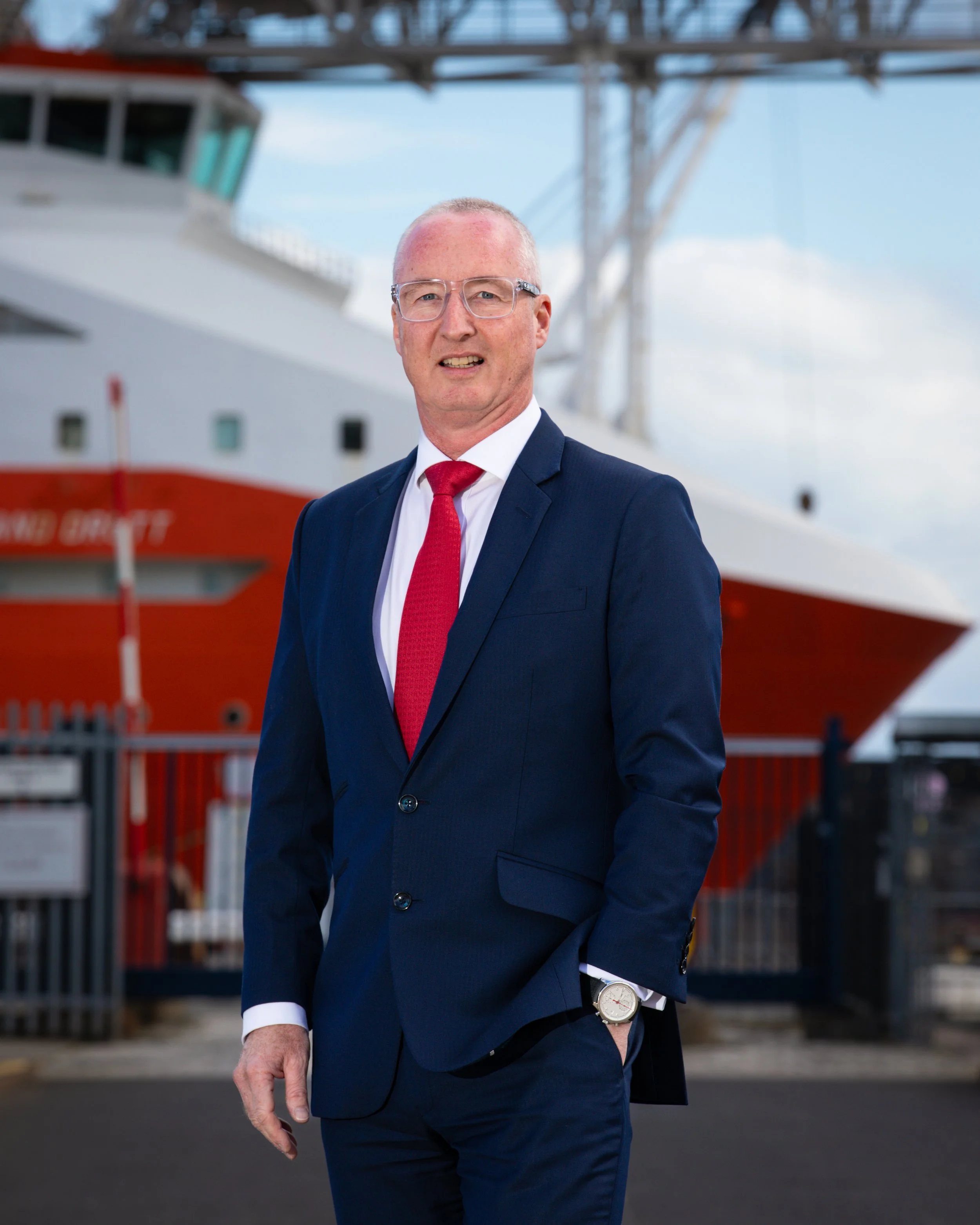
Stuart Wallace, CEO - Forth Ports
Belden Menkus

How to lead one of the UK's most prominent port groups in our changing times? Stuart Wallace, Chief Executive of Forth Ports, brings a rare operational depth to its leadership. He reflects on what ports do and why they matter, from keeping supply chains moving to facilitating offshore energy. He also shares what has kept him at Forth Ports for nearly 25 years, and what nine different roles inside the organisation taught him about leadership.

On strategy, Stuart outlines the discipline of building around long time horizons and investing in infrastructure. How Forth Ports moved into the renewables market before they even had a contract, why the organisation took the risk, and how that has played out at the ports of Dundee and Leith.

The conversation also explores how Stuart leads a business that is simultaneously a commercial enterprise, a statutory harbour authority, and a cornerstone of the communities it operates in.

Listen here and on Apple Podcasts and Spotify.

Supported by Norman Broadbent.

Stuart Wallace

Nothing Moves Without It: Logistics, National Resilience, and the Case for a Seat at the Top Table

Ben Fletcher, Chief Executive - Logistics UK
Belden Menkus

What does it take to keep an economy moving? In this episode, Ben Fletcher, Chief Executive of Logistics UK, makes the case that logistics isn’t just the backbone of the economy: it’s the precondition for almost everything else.

Logistics UK is one of the UK’s largest business groups representing the buyers and suppliers from the transport logistics sector. To lead this organisation, Ben draws on more than two decades of experience spanning government, manufacturing, and industry leadership. He explains what it means to represent 22,000 members across a multimodal industry spanning road, rail, sea, and air, and envisions how the logistics sector could better bolster economic growth if its strength were fully understood at the highest levels of government.

The conversation starts with strategy: how Logistics UK is pushing to become the single voice for the whole industry, and why winning that position means making an economy-wide argument, not just a sector-specific one. Ben also shares what drives decisions: data gets you in the room, but a story unlocks action. From there the conversation turns to what COVID revealed about the sector's public role, how AI is beginning to shift what's possible for firms of every size, and why logistics may be one of the best industries in the UK for a young person starting out — if government policy can catch up.

Listen here and on Apple Podcasts and Spotify.

Supported by Norman Broadbent.

Ben Fletcher

Prove Who You Are: Identity, Displacement, and the 123 Million People Whose Credentials Cannot Cross Borders

Colin Walsh, Founder & Board Chair - Civitas ID
Belden Menkus

For hundreds of millions of people forced from their homes, the barrier to rebuilding a life isn't just poverty or conflict, it's the inability to prove their identities in a way that government and banking systems recognize. In this episode, Colin Walsh, founder of Civitas ID, explains why identity is the foundational problem of forced displacement, and what it will take to solve it.

Through US nonprofit Civitas and its partner public benefit corporation Etymos, Colin and his team are building the credential infrastructure that makes it both technically viable and commercially attractive to connect displaced people to the banks, employers, and service providers they need access to. It's an approach grounded in direct engagement with displaced communities, and in the conviction that technology works best when it's backed by advocacy and policy reform.

The conversation explores what that looks like in practice: the lessons from running pilots in Kenya and Colombia, the contrast between how each market is moving, and why genuine listening, alongside direct engagement with displaced communities, has shaped Civitas's approach.

Listen here or on Apple Podcasts and Spotify.

Supported by Norman Broadbent.

Colin Walsh

Trust, Standards, and the Strategic Case for PR

Sarah Waddington, Chief Executive - PRCA
Belden Menkus

Public relations is widely misunderstood – sometimes reduced to media handling, crisis management, or spin. Sarah Waddington, Chief Executive of the PRCA, the world's largest professional body for public relations and communications, makes a different argument entirely: that PR is a strategic management discipline, integral to organisational success, and urgently needed in a fractured world where trust is at an all-time low.

In this episode, Sarah talks about what she found when she stepped into the CEO role — an organisation that had been through a challenging period and needed a unifying sense of direction. She shares how she crystallised and reoriented the PRCA's mission, and what it looks like to lead a vocal and diverse membership body through changing times.

That mission has two clear ambitions: to make the case for PR at the level it deserves, and to make PR a profession that is inclusive by default. Sarah discusses the PRCA’s commissioning of a new industry definition, bolstered by a CBI Economics impact study, that speaks to the economic and societal contribution of the profession in addition to its mechanics. Sarah also discusses the plan to bring together the industry's many diversity groups under one coordinated effort, to identify structural gaps, and start to close them.

The conversation also covers where PR sits relative to advertising and marketing, why reputation in the age of AI demands a more prominent role for PR, and how Sarah sees strategic communications as a force for tackling some of the most intractable social challenges of our time.

Supported by Norman Broadbent: https://www.normanbroadbent.com/

Sarah Waddington

Growing Great Things Together: Culture, Acquisitions, and the Long Game in Professional Services

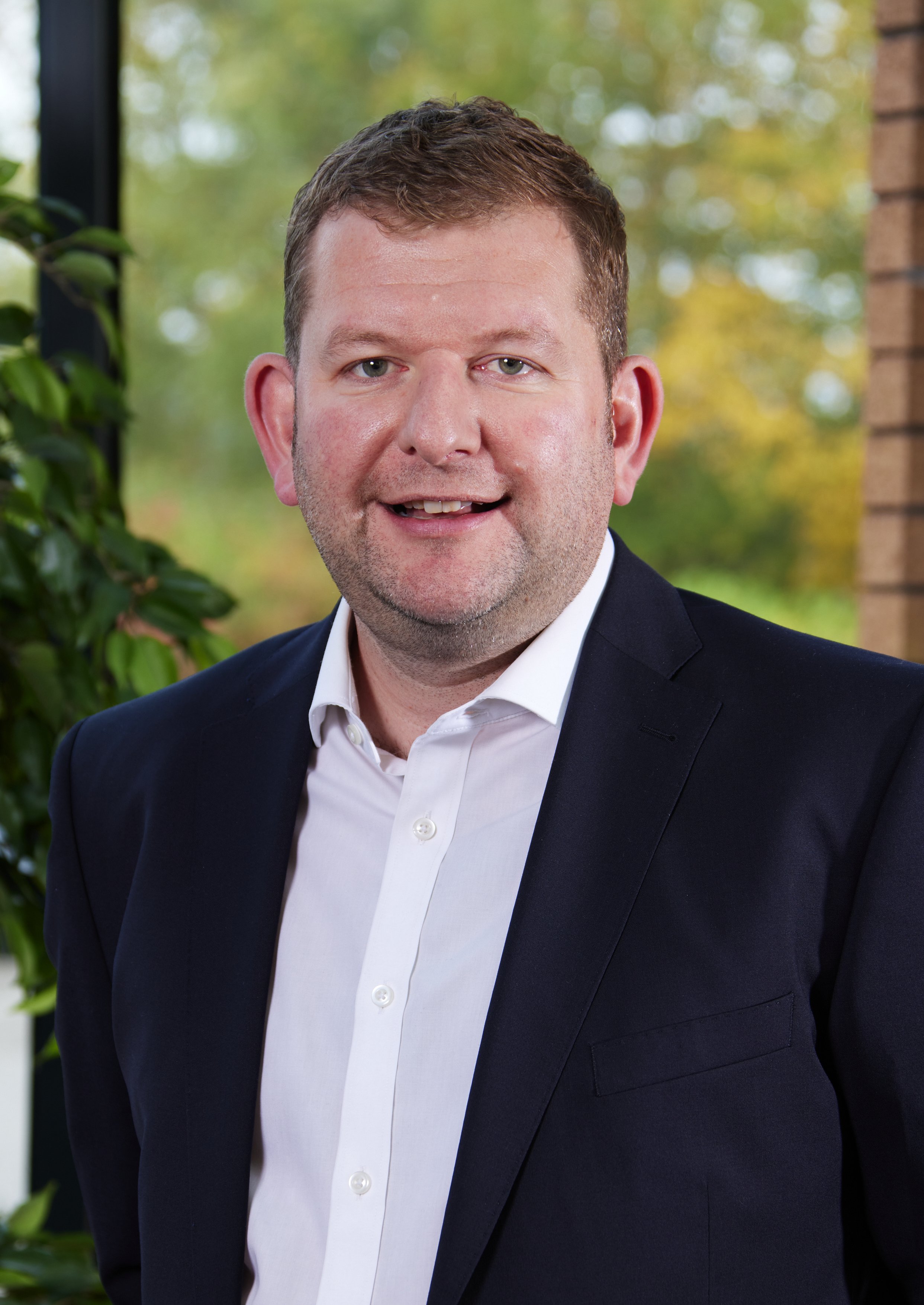
Scott Heath, CEO - DJH
Belden Menkus

What does it take to grow an accountancy firm from 60 people to over 800 in just five years — and keep the culture intact? In this episode, Scott Heath, CEO of DJH, reflects on two decades with the firm and the strategic choices that have shaped its rapid expansion through acquisition.

Scott delves into the realities of PE-backed growth: the pressure of performing against peak valuations, the discipline of building infrastructure before scaling further, and why culture sits above strategic fit in every acquisition conversation. He shares how DJH has developed a model where acquired firms bring their own specialisms into a shared platform, creating something more than the sum of its parts.

The conversation also explores how DJH is approaching AI, how B Corp accreditation became a useful framework for honest self-assessment, and what Scott has learned about leadership as the firm has grown beyond what any one person can control.

Supported by Norman Broadbent: https://www.normanbroadbent.com/

Scott Heath

©2015 - 2021. Menkus & Associates is registered in England & Wales under company number 03658410.

52 Bovingdon Road, London, SW6 2AP