Rethinking Procurement

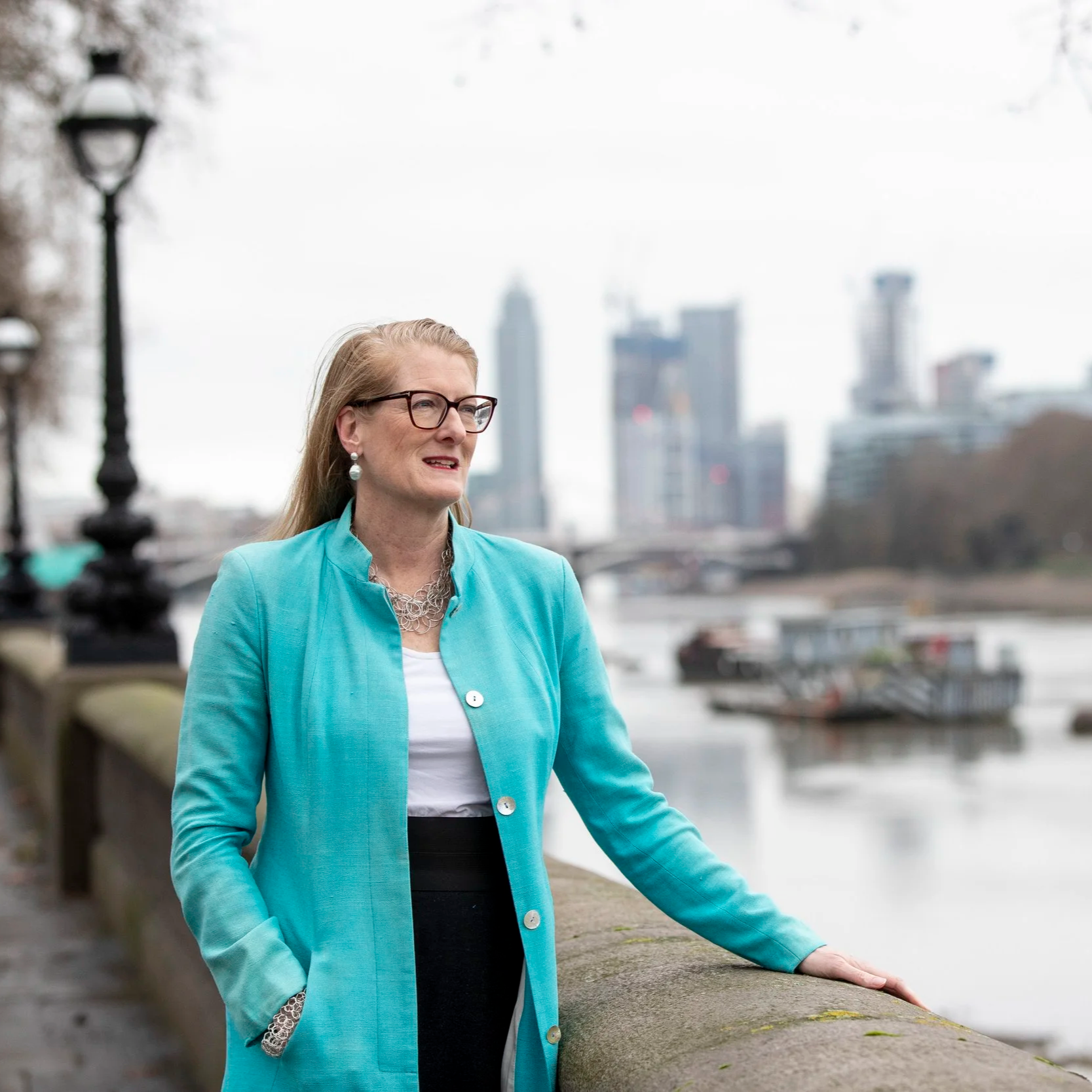
What does it take to lead the largest professional body for procurement and supply in an era when global supply chains are under unprecedented scrutiny? Ben Farrell MBE, Global Chief Executive of the Chartered Institute of Procurement & Supply (CIPS), is on a mission to answer that question—while elevating the profession’s role in shaping a more resilient, ethical, and sustainable future.

With over 70,000 members in 160 countries and 97 branches worldwide, CIPS is at the centre of some of the most pressing issues of our time—from the weaponisation of supply chains to rapidly shifting trade relationships. For Ben, procurement and supply are not niche concerns; they are essential to sustainability, national economies, and the smooth functioning of societies.

In this episode, Ben discusses the importance of long-term thinking in a world still too focused on short-term gains, and how asking good questions can align current activities with the future we want to create. He shares how CIPS is working to help countries thrive, raise professional standards, and bring procurement capacity to the next level worldwide. From building a “shared consciousness” across a vast and diverse membership to showing the next generation the meaningful careers this industry can offer, Ben’s leadership is about more than just managing an organisation—it’s about redefining what procurement and supply can achieve.

Supported by Norman Broadbent: https://www.normanbroadbent.com/
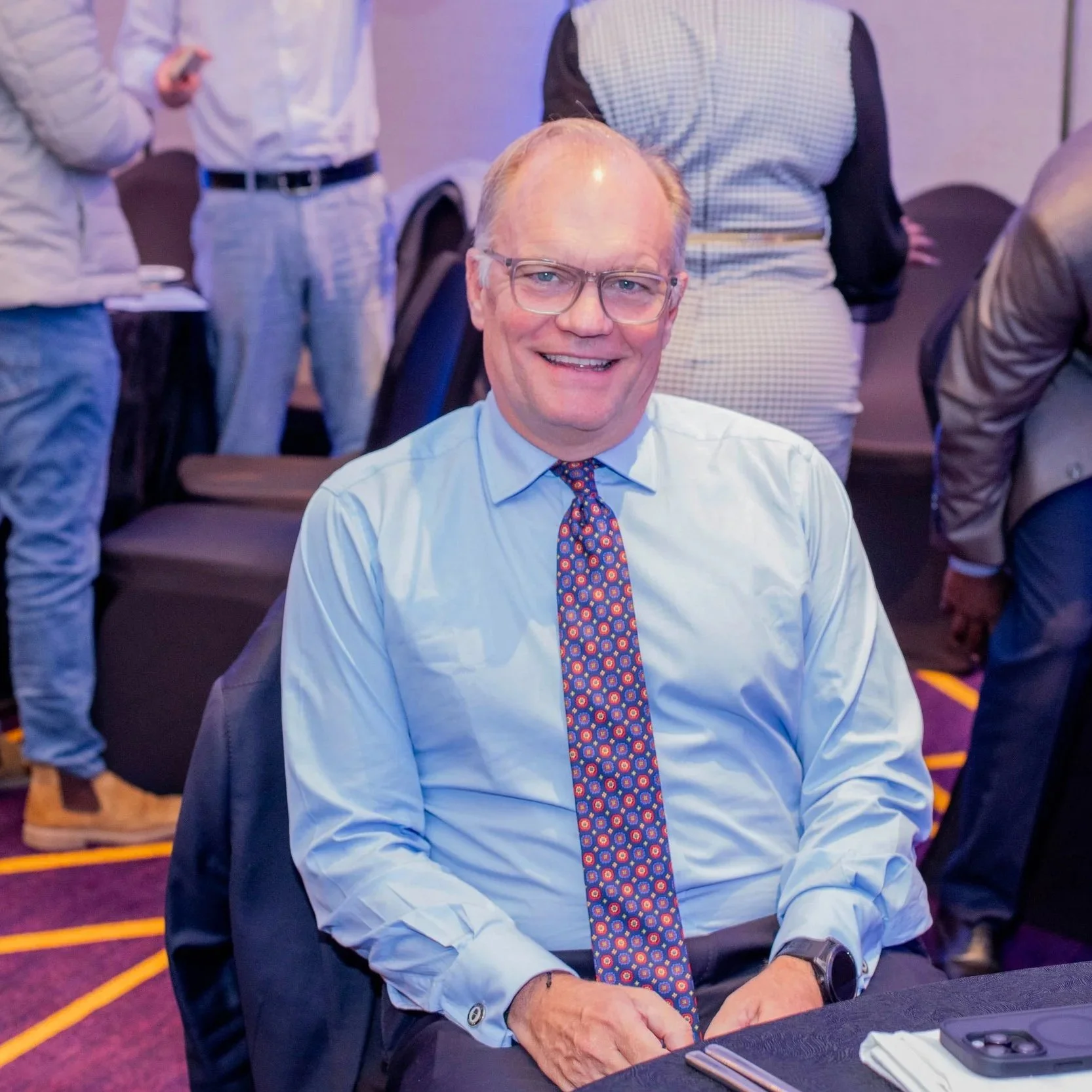
Ben Farrell
Empowering Exchange at Britain’s Busiest Port

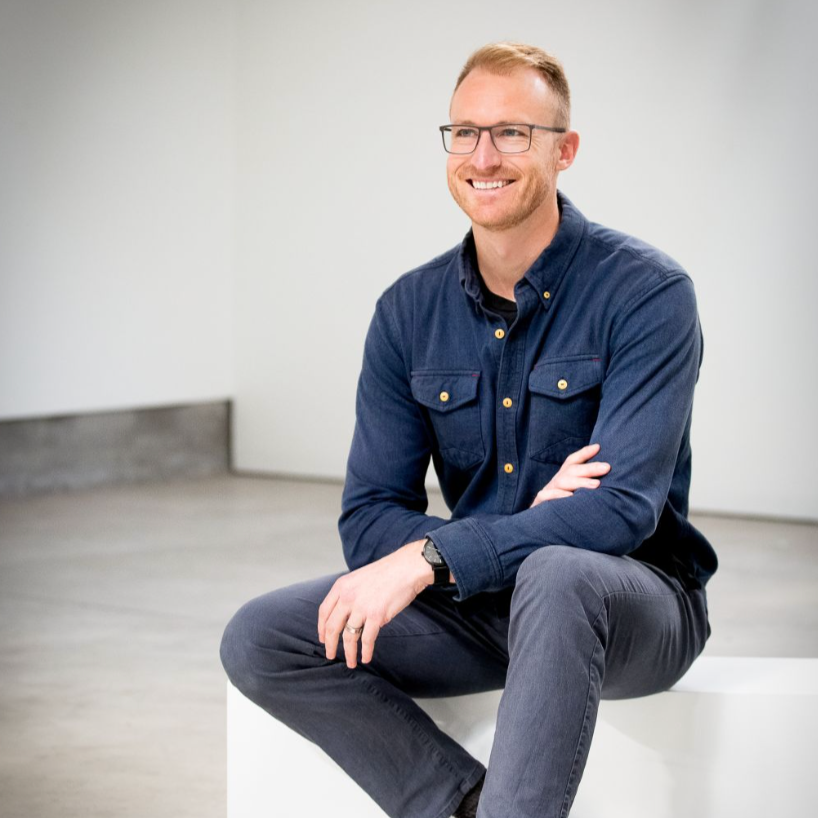
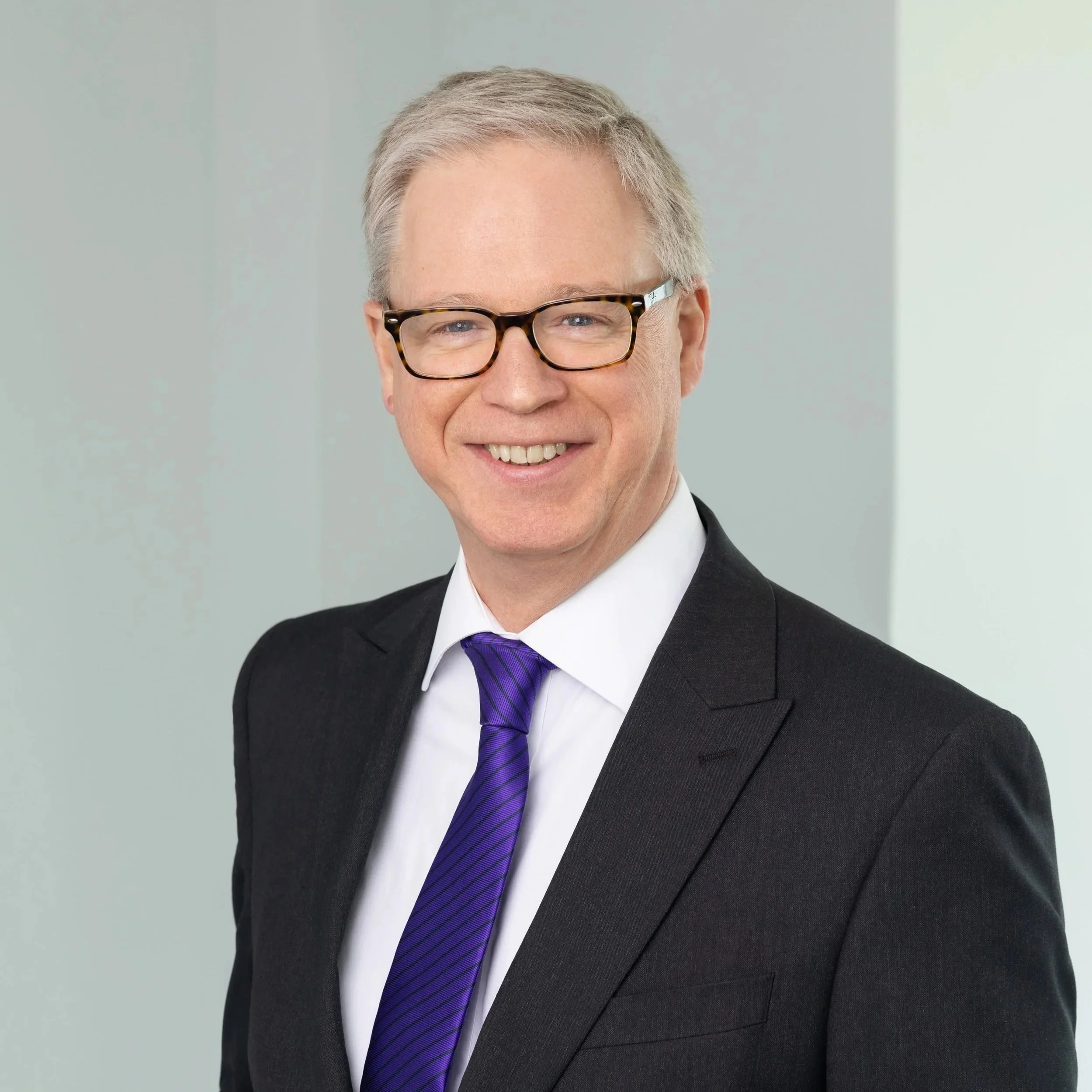
How do you lead a complex operational hub that is both a national asset and a local neighbour? Doug Bannister, CEO of the Port of Dover, shares how a clear purpose, long-term vision, and relentless execution are helping Europe’s busiest ferry port deliver for trade, travel, and tourism—while building a greener and more connected future. At Dover, he leads an organisation that facilitates £144 billion of trade annually, handles around one-third of UK-EU commerce, and keeps ships, vehicles, and people moving with industry-leading efficiency.

In this episode, Doug discusses the Port’s evolving strategy and its purpose of ‘Empower Exchange,’ the importance of looking beyond short-term metrics to make bold, ecosystem-wide decisions, and why trust and transparency are essential in an organisation that operates in full public view. He also explores how the Port is delivering on its ambitious Sustainability Agenda 2025—including its goal to become the UK’s first high-volume green shipping corridor—and balancing commercial growth with minimising impact on local communities.

Reflecting on his own approach, Doug shares why building trust, acting proactively, and maintaining high standards for safety, security, and sustainability have been crucial to navigating a period of major transformation.

Supported by Norman Broadbent

https://www.normanbroadbent.com/

Doug Bannister

Swimming Upstream: Redefining How Leaders Are Found

What happens when you design an executive search firm around purpose, not just process? Kate Grussing CBE, Founder and Managing Director of Sapphire Partners, shares how her team has been reshaping the industry since 2005.

Inspired by the question of what makes a high-performing team — and recognising gaps in a market that wasn’t serving either clients or candidates well — Kate built Sapphire to take a more creative, targeted approach to finding exceptional leaders. Rather than relying on the “usual candidates,” her firm broadened its strategy to identify hard-to-find individuals who could act as magnets for talent, role models, and long-term value creators.

In this episode, Kate discusses why focus matters in client work, the lessons from starting with flexible and project-based roles before broadening scope, and what it’s meant to be a front runner in the sector. She reflects on the lasting shifts COVID-19 brought to flexible working, how boards are becoming more intentional in recruiting necessary skills, and the importance of supporting leaders across their entire career journeys.

Kate Grussing

Designing for a Sector in Crisis

As the Founder and Creative Director of Cosmic, a U.S.-based creative studio working at the intersection of design and social change, Eric Ressler has spent years helping mission-driven organisations communicate with clarity and purpose. In this episode, he unpacks the mounting challenges facing the nonprofit sector—from shrinking federal funding to a digital culture that makes it harder to break through.

The pressures aren’t just affecting the organisations Cosmic supports, they’re reshaping the work itself. As funding dries up and uncertainty grows, Eric and his team are increasingly focused on helping clients cut through the noise, align their core mission, and communicate with conviction.

He brings a sharp perspective on what’s needed next: a shift in how we approach ‘Design Thinking,’ deeper coalition-building to reduce duplication, and a more intentional relationship with technology—one that helps us stay human while driving impact.

Eric Ressler

Rewriting the Rules of Women’s Health Tech

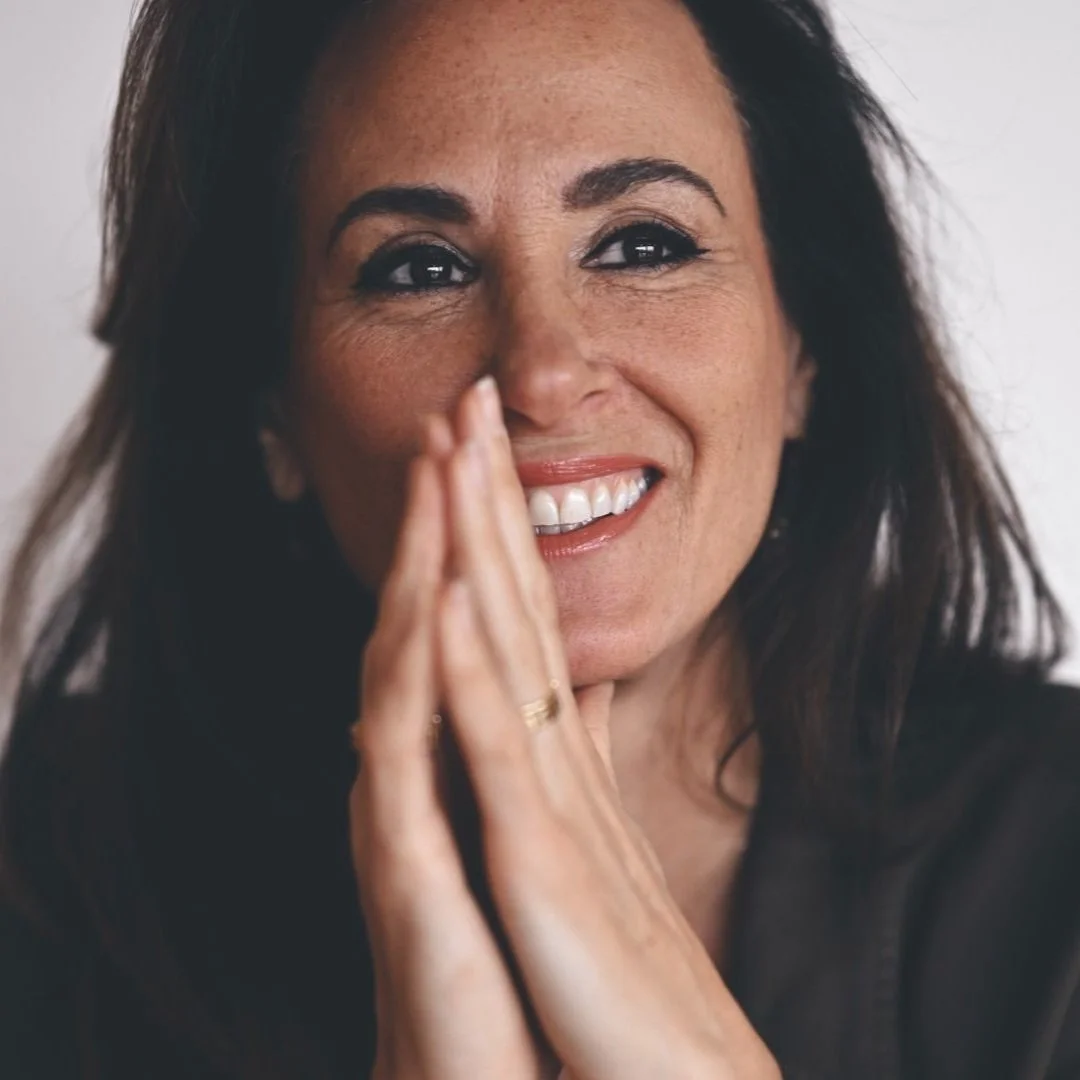
How can digital innovation serve millions of women, without selling their data or betraying their trust? Amber Vodegel, CEO of 28X, shares how she’s building a platform to transform how women engage with their health.

28X is a purpose-driven health tech company launching its first product later this year: a simple, accessible period tracker that does more than its competitors. Guided by three core principles—privacy, inclusivity, and no subscriptions—Amber’s team is creating a new kind of platform: one that educates, protects, and empowers.

In this episode, Amber discusses how to scale with purpose in a space often dominated by extractive models. She explores the ethical, strategic, and technical decisions behind 28X’s development, from refusing traditional VC funding to eliminating cloud-based data storage. She also reflects on the power of storytelling, the importance of external feedback, and the evolving definition of success in a sector that still too often fails its users.

Amber Vodegel

Ecosystems of Impact

Andrew Wordsworth, co-founder and CEO of Sustainable Ventures, returns to The Purposeful Strategist at a time of rapid growth and transformation for the climate tech sector. Having now supported over 1,000 startups, Sustainable Ventures has doubled down on its mission to expand its footprint across the UK and Northern Europe.

In this episode, Andrew shares how the firm is building a distributed ecosystem to serve climate entrepreneurs where they are, offering capital, community, and consulting support across the UK. He reflects on the shift from start-up to scale-up, the firm’s decision to bring on external investment, and why connecting regional stakeholders is critical for turning innovation into impact.

We also discuss the role of AI in accelerating climate tech, from operational efficiencies to strategic tools, and how Sustainable Ventures is keeping its purpose at the centre of a growing, customer-centric business model. For Andrew, climate isn’t just a challenge; it’s one of the greatest economic opportunities of our time.

Interested in Sustainable Venture’s workspaces? Check them out here: https://www.sustainableventures.co.uk/workspaces

Andrew Wordsworth

Relentlessly Getting Stuff Done

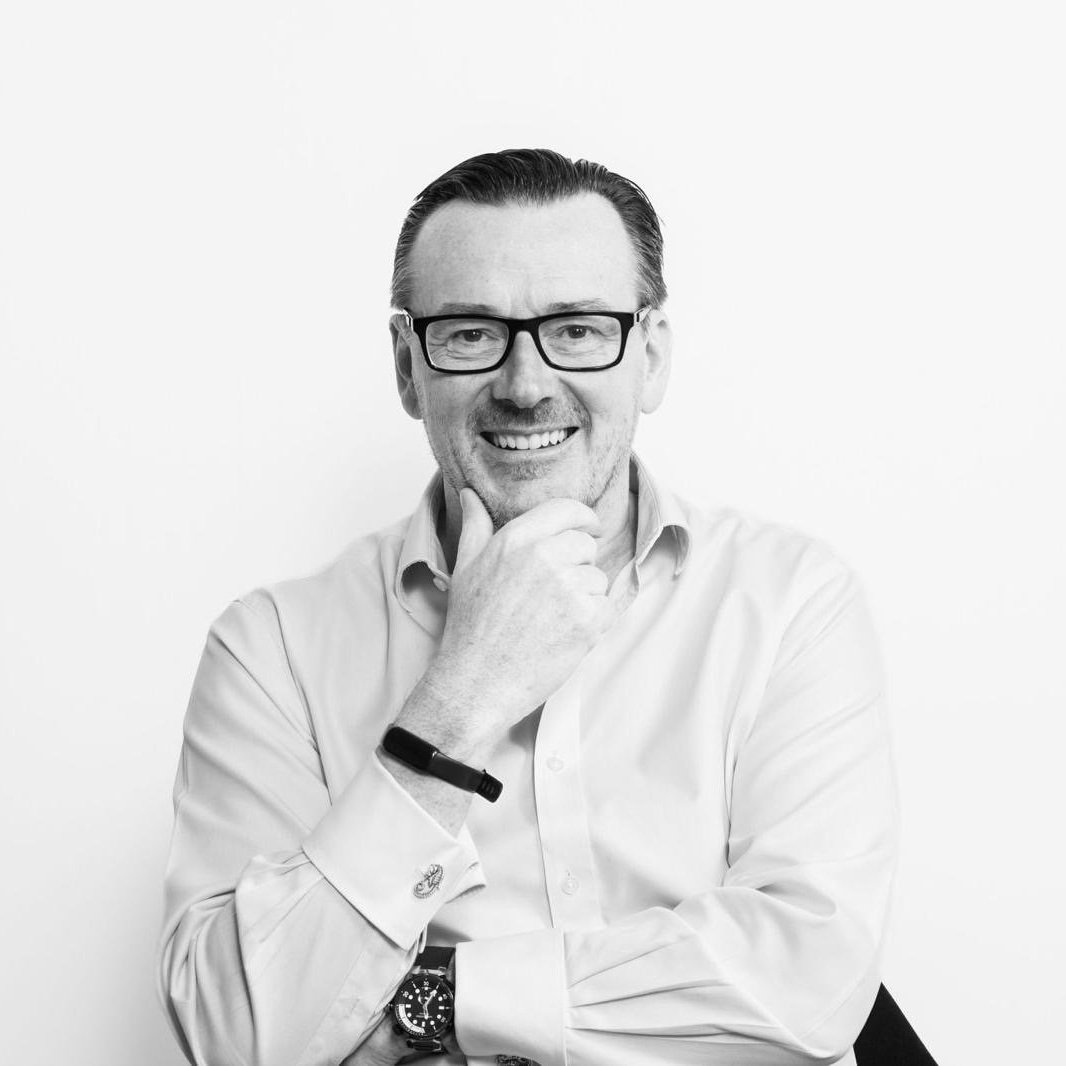
How can operational leaders shape strategy, culture, and growth? Matt Hotson, Group Chief Operating Officer at Mishcon de Reya, shares how a distinctive approach to leadership and execution is helping one of the UK’s most entrepreneurial law firms stay purposeful and future-focused. At Mishcon, he leads everything outside of the practice of law –building the foundations, systems, and culture that enable lawyers to deliver great work for their clients.


In this episode, Matt discusses the firm’s evolving strategy and its renewed five-year vision, the importance of codifying values with broad input, and how culture is seen as somewhat fluid and constantly shaped by the people who join. He also explores how the firm is responding to emerging technological risks and opportunities.

Reflecting on his own path, Matt shares why making bold decisions, acting on 70% certainty, and relentlessly executing the plan have all been essential to building momentum and purpose at such a high scale.

Matt Hotson

World-leading Non-drug Treatment for Dementia

How can a purpose-driven innovation scale without compromising care? Devika Wood, CEO of Brain+, shares how she’s helping pioneer the global expansion of Cognitive Simulation Therapy (CST) - the world-leading non-drug treatment for dementia.

Brain+ is a publicly listed health tech company championing Ayla, a proven digital CST intervention that can delay cognitive decline for up to six months. Devika discusses the opportunities and challenges of scaling CST through the UK’s care home sector while ensuring that ethics, clinical standards, and public trust remain central to the approach.

In this episode, Devika reflects on the strategic and emotional dimensions of leading a mission-led business in a high-regulation, high-stakes sector. She explains why raising awareness, building clinician and caregiver trust, and testing narratives are just as vital as product design. She also opens up about the balancing act between purpose and profit, the importance of board support, and the ongoing work of aligning commercial delivery with personal mission.

Devika Wood

©2015 - 2021. Menkus & Associates is registered in England & Wales under company number 03658410.

52 Bovingdon Road, London, SW6 2AP